
The impacts of climate change are having a significant negative impact on the environment and are a major global concern. It’s possible that you’re not aware of this, but one of the primary contributors to economic hardship is climate change. You will gain a better understanding of the different environmental factors that contribute to climate change after seeing the infographic that follows.
What is Climate Change?
Climate change is the gradual increase in global temperatures. The Earth’s climate has changed over the years due to the Sun, Earth’s atmosphere, and other factors. Climate change can lead to more natural disasters, loss of jobs, and increased maritime shipping traffic.
Climate Change is a Process.
Climate change is a process that involves changes in the Earth’s climate that are caused by man-made activities like burning coal, oil, or gas. These activities can cause ice caps and glaciers to melt, raise sea levels, and alter weather patterns.
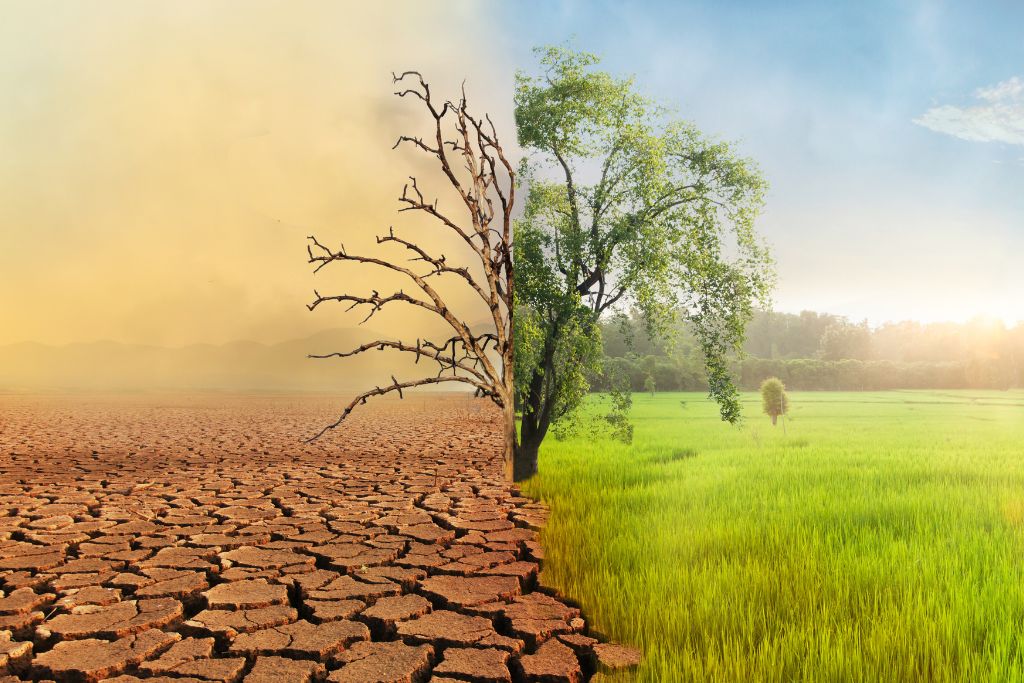
Climate Change is a Cause.
Climate change is a cause because we are causing the Earth’s climate to change faster than it can adapt. This means that if we don’t act soon, many things will become worse – like more natural disasters, more loss of jobs, and more hazardous shipping traffic.
Many Environmental Causes of Climate Change.
There are many environmental causes of climate change. Some of these causes include:
-The use of coal, oil, and gas
-The increase in sea levels
-The melting of ice caps and glaciers
-The alteration of weather patterns
How to Avoid Climate Change
Reduce greenhouse gas emissions for climate change. Products made from heat-trapping materials emit greenhouse gases. Climate change is caused by these gases. Use less carbon-based energy. Reduce energy use and review bills. Solar and wind power green buildings. These solutions clean the world and save energy.
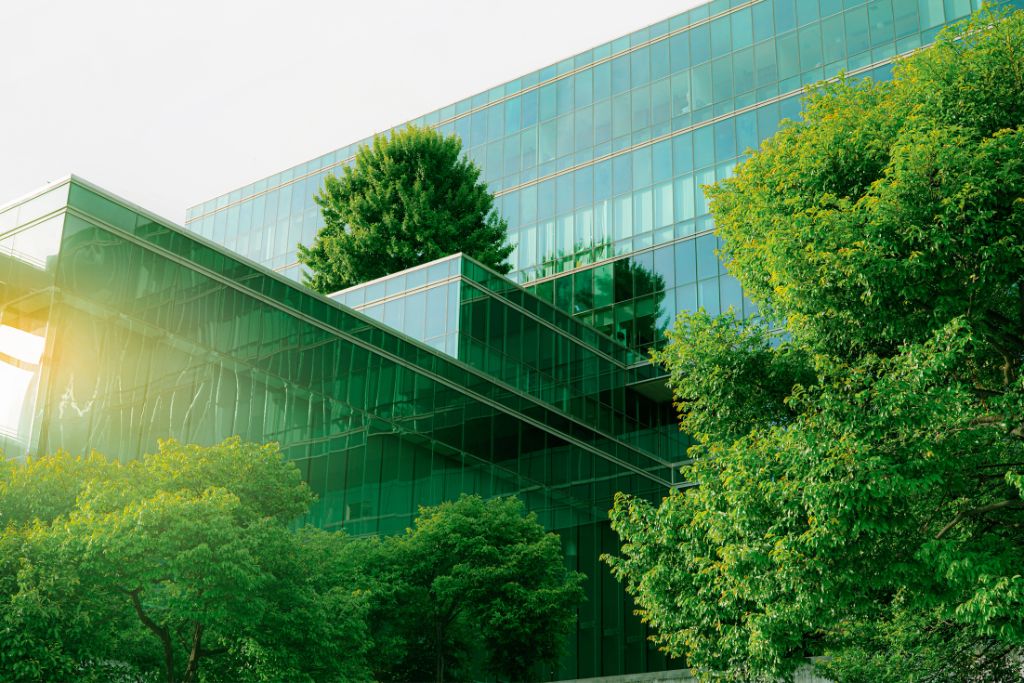
Green Buildings.
Building green buildings reduces your carbon impact. You can reduce household emissions by building energy-efficient buildings. Green buildings also reduce noise and air pollution. Green buildings reduce environmental effects while providing high-quality living conditions.
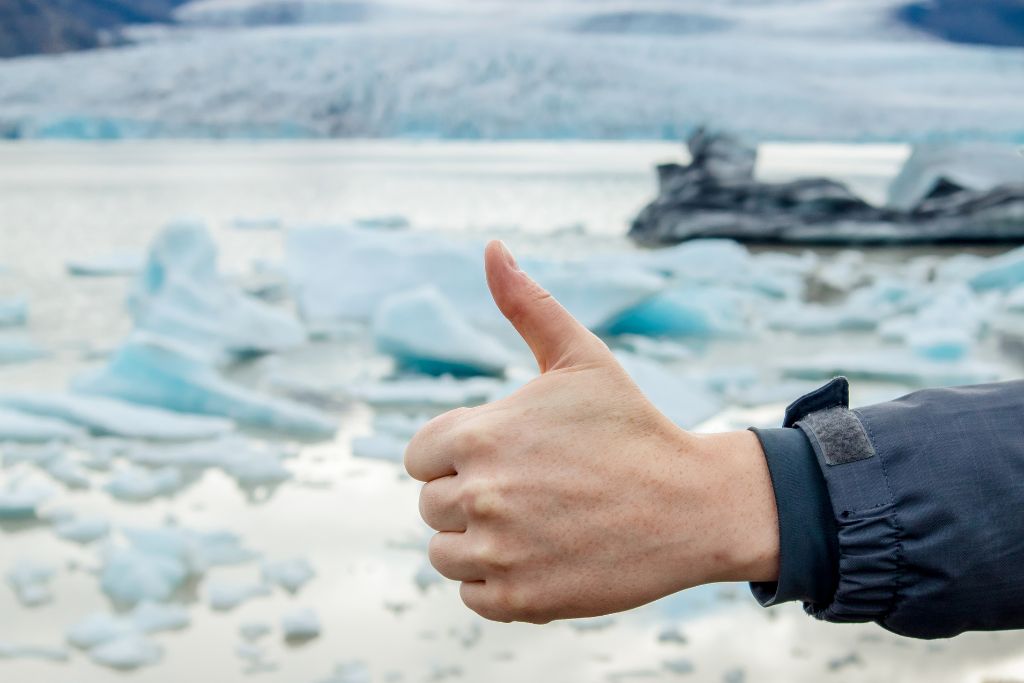
Reduce Your Carbon Footprint.
Assuming no major gasoline price changes, each country must reduce CO2 emissions by at least 50% between 2005 and 2025 to satisfy Paris Agreement emissions objectives. Every nation must reduce manufacturing waste and adopt low-carbon technologies in all sectors, including transport, to meet this goal. Tips to achieve this:
Reduce Your Waste Output:
1) Be creative about how you produce products: What could be recycled instead of discarded?
2) Use less packaging: Many products contain more packaging than necessary, making them difficult or impossible for us to recycle properly
3) Use less water: Water wasted in manufacturing processes often contains harmful pollutants which contribute to climate change
4) Use less energy: Reducing your energy consumption can go a long way in reducing your carbon footprint
5) Promote the use of alternative energy: Transitioning to alternative energy sources can help reduce your emissions as well as blue-sky solutions like renewable energy
How to Avoid Climate Change
Energy conservation is a great approach to fighting climate change. Choose energy-efficient products and services. Many laptop batteries now have power-off functions, saving energy. Try buying electric cars or green buildings.
Green Buildings.
Green buildings are often associated with climate change, however, there are other environmental factors. Choose low-HGV structures to lower your carbon footprint. For insulation and airflow, many flats and condos use bamboo or straw. Local environmental organizations and websites like Green Building Institute and The Earth Justice Foundation offer sustainability advice.
Reduce your Carbon Footprint.
To preserve energy and reduce GHGs (greenhouse gas emissions), you must reduce traffic congestion and factory pollution as well as your carbon footprint. To achieve this, research alternatives to driving like biking or public transit and organize carpooling or biking trips when possible.
Conclusion
The process known as climate change has an impact on the surrounding natural environment. It is crucial to limit your carbon footprint in order to avoid climate change, as this is a cause that contributes to a wide variety of environmental problems.
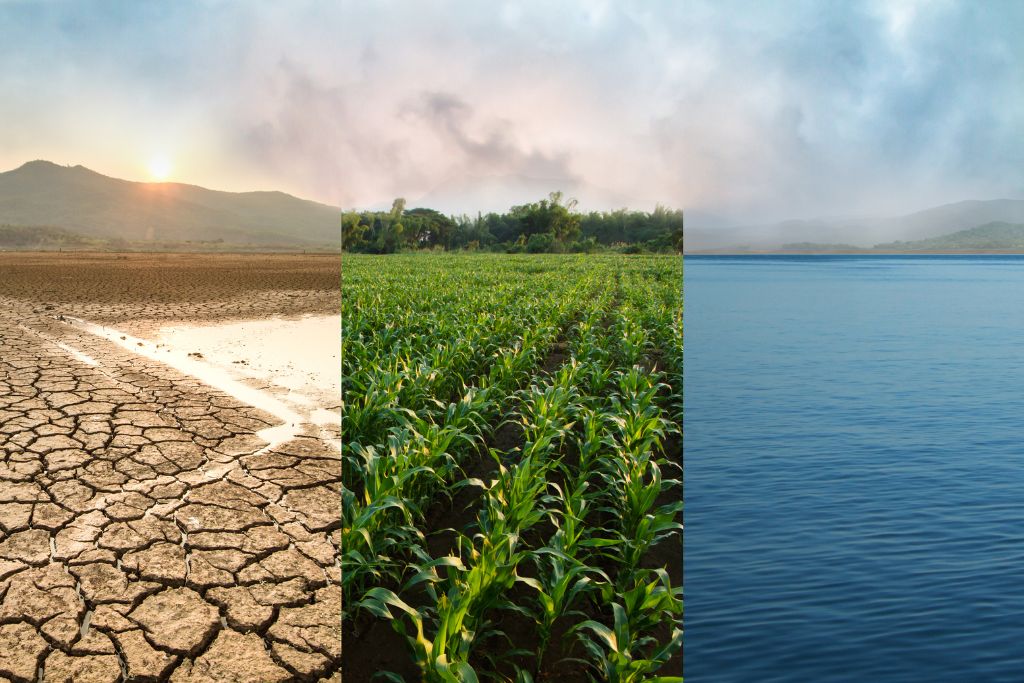
You can do your part to safeguard the environment by lowering the amount of energy you use and constructing with environmentally friendly materials.
Understanding “How to Stay Cool and Calm in a Heated Relationship” is equally essential in the context of environmental causes of climate change. Just as we strive to address the root causes of global warming, fostering healthy communication and emotional balance in relationships is crucial. The article offers valuable insights into managing conflicts and diffusing tensions, allowing individuals to navigate both personal and global challenges with equanimity. By promoting understanding, empathy, and cooperation, we create a positive impact on the environment and foster harmonious relationships, contributing to a more balanced and sustainable world for generations to come.