
Imagine a world where traveling to outer space is not just for astronauts but also for ordinary individuals like you and me. A realm once reserved only for the privileged few is now becoming accessible to all adventurers out there. Welcome to the era of space tourism! With groundbreaking technologies and visionary companies pushing boundaries, we are witnessing a thrilling revolution that promises to transport us beyond our wildest dreams. Join us on an exhilarating journey as we explore how space tourism is shaping the future, turning those far-off galaxies into destinations within reach for every Earthling. So fasten your seatbelts, stow away any preconceived notions, and prepare yourself for an odyssey like no other!
Introduction to Space Tourism
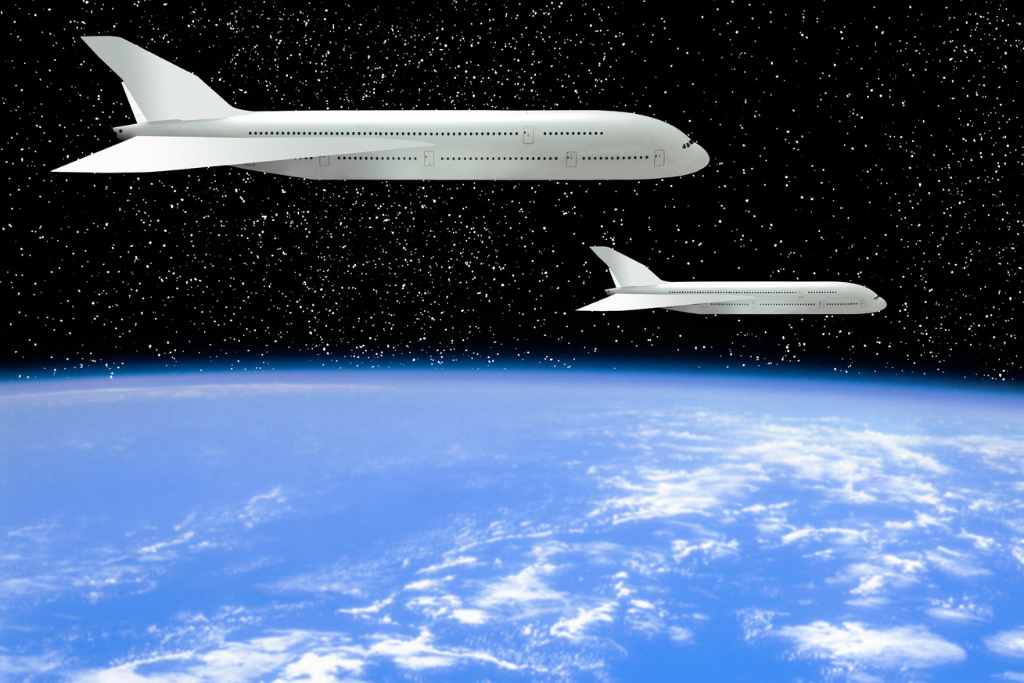
Space tourism, also known as commercial space travel, is a relatively new industry that allows private citizens to travel beyond Earth’s atmosphere for recreational or leisure purposes. While the idea of traveling to space may have once seemed like the stuff of science fiction, recent developments in technology and growing interest from both private companies and individuals have made space tourism a tangible possibility.
The concept of space tourism dates back to the 1960s, during the early days of human spaceflight. However, it was not until the late 1990s and early 2000s that the idea gained significant traction, as several private companies began investing in developing spacecraft capable of carrying humans into outer space.
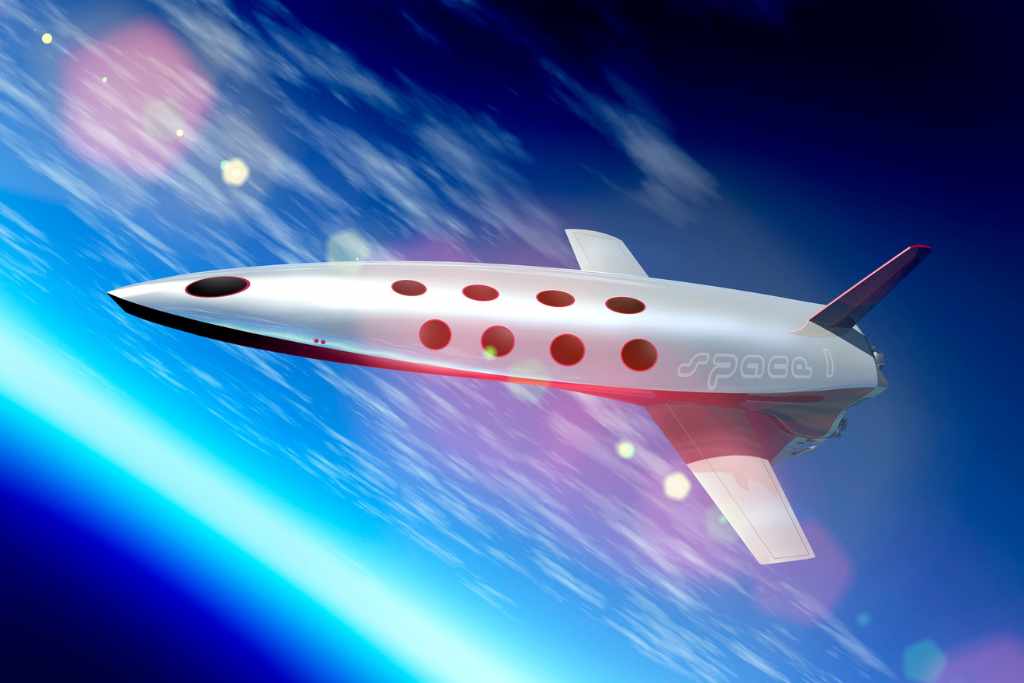
Virgin Galactic, which the billionaire Sir Richard Branson founded in 2004, is one notable example. The company aims to offer sub-orbital flights that provide passengers with a brief experience of weightlessness and views of Earth’s curvature before returning to land.
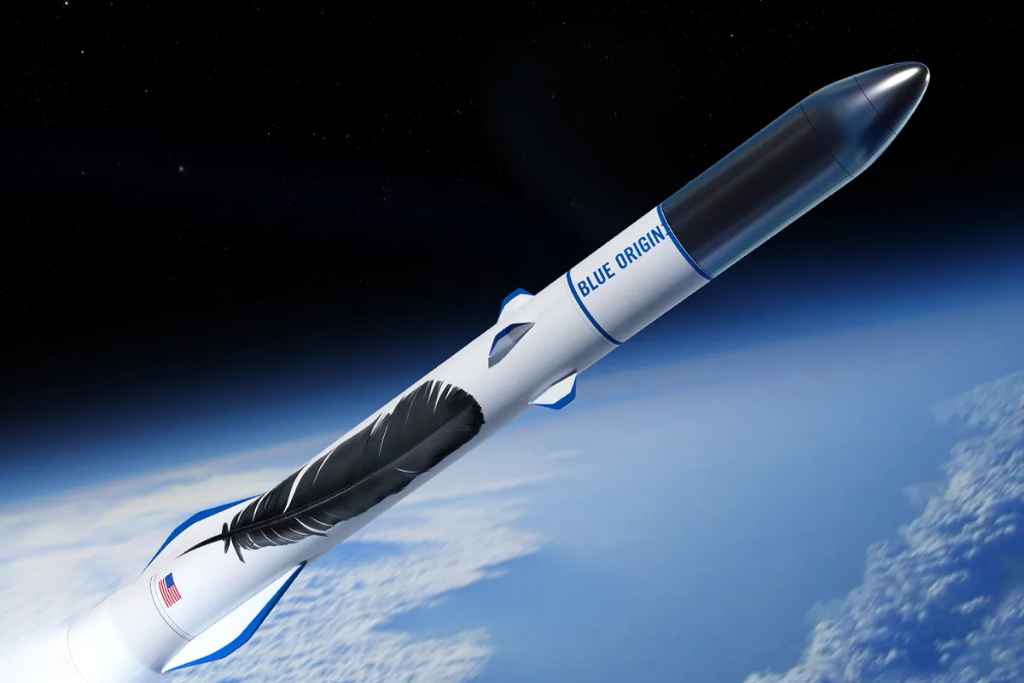
Jeff Bezos, the CEO of Amazon, founded Blue Origin in 2000, which is another significant player in the sector. The company has been working on reusable rockets for sub-orbital and orbital flights, with plans to eventually offer journeys beyond Earth’s orbit.
In addition to these pioneering companies, NASA has also announced partnerships with several private aerospace companies, such as SpaceX and Boeing, to transport astronauts and tourists alike to the International Space Station (ISS) using their spacecraft.
While initially targeting only ultra-wealthy individuals who could afford exorbitant prices for a short journey into
History and development of space tourism
The idea of space tourism has been around for decades, but it wasn’t until recent years that it has become a reality. The concept of paying to travel to outer space and experience weightlessness and the wonders of the universe was once only accessible to trained astronauts and wealthy individuals. However, with advancements in technology and a growing interest in space exploration, space tourism has evolved into an industry that is making outer space more accessible for all.
The Beginning: Space Travel for Elite Astronauts
Space exploration began with government-funded programs such as NASA’s Mercury, Gemini, and Apollo missions. These missions aimed to push the boundaries of human capabilities by sending trained astronauts into space. In 1961, Russian cosmonaut Yuri Gagarin became the first human to journey into outer space, while American astronaut Neil Armstrong famously became the first person to walk on the Moon in 1969.
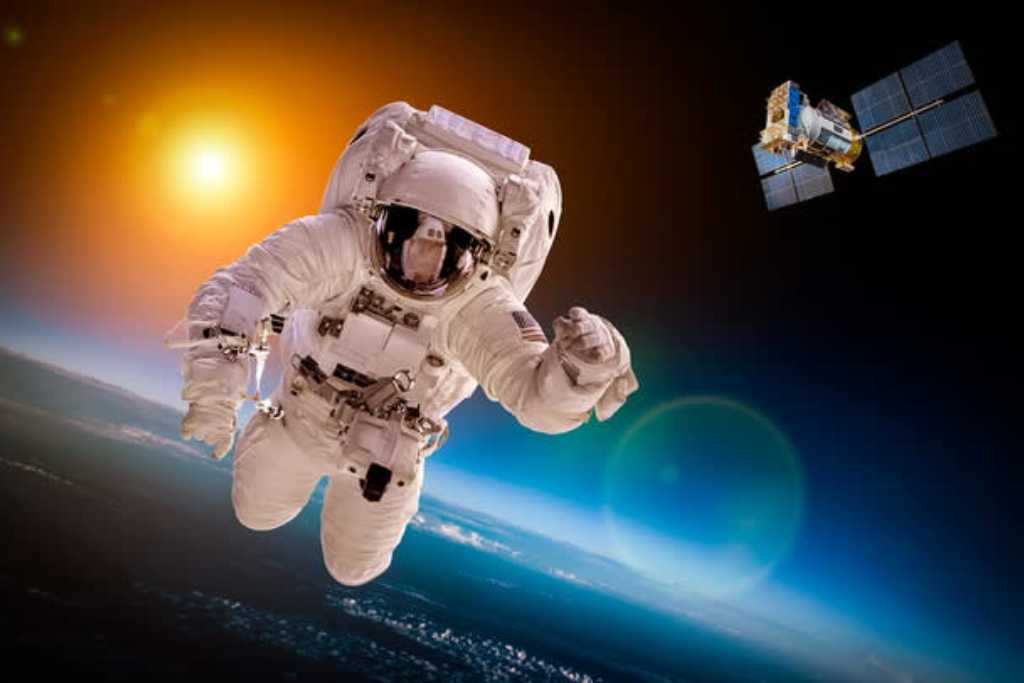
During this time, only highly trained individuals were allowed access to go into space. This meant that ordinary individuals could only dream about experiencing what it was like beyond Earth’s atmosphere.
The Birth of Space Tourism
In the late 1990s, multimillionaire Dennis Tito made headlines when he paid $20 million to become the first private citizen to fly on a Russian Soyuz spacecraft to the International Space Station (ISS). This marked the beginning of space tourism as we know it today.
Following Tito’s trip, several other wealthy individuals followed suit by purchasing seats on Russian rockets or suborbital flights through companies
Advancements in technology making space travel more accessible
One of the most significant developments in the field of space travel in recent years has been the advancements in technology that are making outer space more accessible to the public. While space travel was once solely reserved for government agencies and highly trained astronauts, technological innovations have opened up a whole new world of possibilities for individuals who dream of exploring outer space.
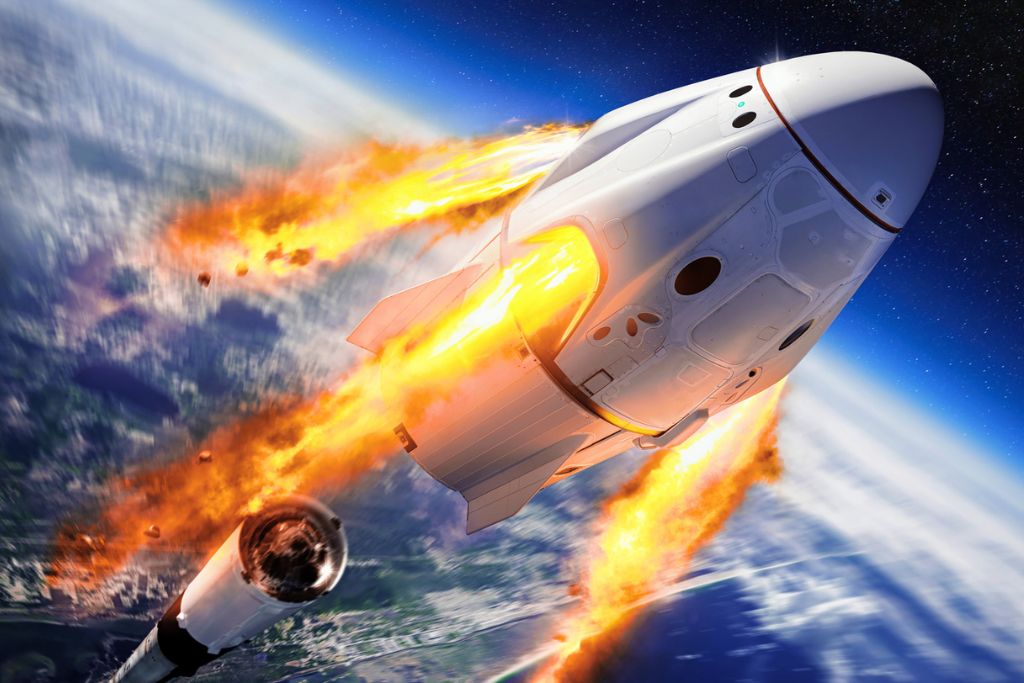
One of the key advancements in technology that is revolutionizing space tourism is the development of reusable spacecraft. In the past, launching a rocket into orbit or beyond required building an entirely new spacecraft each time, a process that was not only incredibly expensive but also extremely wasteful. However, with reusable rockets like SpaceX’s Falcon 9 and Blue Origin’s New Shepard, it is now possible to launch and then reuse the same rocket multiple times. This reduces costs significantly and makes space travel more accessible to private companies and even individual travelers.
In addition to reusable rockets, other technological innovations have made significant contributions toward making space travel more feasible for commercial purposes. For instance, advancements in materials science have resulted in stronger and lighter materials being developed for use in spacecraft construction. This means that spaceships can carry heavier loads while still remaining lightweight enough to be propelled into orbit efficiently.
Moreover, digital technologies such as artificial intelligence (AI) and big data analytics are playing a crucial role in making space travel safer and more efficient. AI systems are used to monitor spacecraft performance during flight and make necessary adjustments without human intervention, reducing human error and increasing safety levels significantly. Big
Key players in the industry of space tourism
The industry of space tourism has been growing rapidly in recent years, with more and more companies entering the market and pushing boundaries to make outer space accessible for all. This increasing interest and investment in space travel has led to the emergence of several key players who are shaping the future of this industry. In this section, we will take a closer look at these key players and their role in making space tourism a reality.

SpaceX: Elon Musk founded SpaceX in 2002, making it one of the first private businesses to enter the space industry. It quickly gained worldwide recognition for its ambitious goal of colonizing Mars and providing affordable access to space through reusable rockets. With its innovative technologies like the Falcon 9 rocket and Dragon spacecraft, SpaceX has successfully launched multiple missions for NASA and other clients. The company is also actively developing its Starship spacecraft, which aims to transport humans to other planets in our solar system.
Blue Origin: Another significant player in the field of space tourism is Blue Origin, which Jeff Bezos founded in 2000. The company’s focus is on creating a reusable launch system that can provide suborbital flights for paying customers as well as lower-cost launches for satellites. Its New Shepard spacecraft has already completed successful test flights with human-like mannequins on board, proving its capabilities for commercial spaceflight.
British billionaire Sir Richard Branson founded Virgin Galactic, which was the first privately funded company to provide suburban travel.
Different types of space tourism experiences are available
Space tourism experiences have gained immense popularity in recent years as more and more people become interested in exploring the final frontier. While traditional space tourism involves rockets, spacesuits, and extensive training, there are now various types of space tourism experiences available for those who want to experience outer space without having to become astronauts.
Suborbital space tourism: Suborbital space tourism is considered the most accessible form of space travel currently available. It involves launching a spacecraft into suborbital flight, which reaches just above 62 miles (100 kilometers) above Earth’s surface. This allows passengers to experience weightlessness and see the curvature of the Earth from a unique perspective. Companies such as Virgin Galactic and Blue Origin offer suborbital flights that can last anywhere from a few minutes to a couple of hours.
Orbital space tourism: Orbital space tourism takes travelers one step further by allowing them to orbit around Earth multiple times before re-entering the atmosphere. This type of experience is much more immersive and typically lasts for several days or even weeks. Companies like SpaceX and Axiom Space are currently working on developing orbital voyages for tourists, with prices ranging from hundreds of thousands to millions of dollars.
Lunar exploration: For those with deep pockets and an insatiable thirst for adventure, lunar exploration is the ultimate form of space tourism experience available today. Companies like SpaceX, Blue Origin, and Space Adventures have announced plans to send tourists around the Moon on their private spacecraft within this
Costs and potential future affordability for the average person
Costs and potential future affordability for the average person are important considerations when discussing space tourism. While it may seem like a dream reserved for the wealthy elite, advancements in technology and increasing competition are making outer space more accessible for people from all backgrounds.
Currently, a trip to space can cost anywhere from $55 million with SpaceX’s Crew Dragon to $250,000 with Virgin Galactic’s SpaceShip Two. These prices are unreachable for most people, but there are efforts being made to make space travel more affordable in the near future.

One major factor that is driving down costs is the development of reusable rockets. In traditional rocket launches, each launch vehicle is used only once and then discarded into the ocean or left floating in space as debris. This leads to astronomical costs, as rockets need to be built from scratch for each mission. However, companies like SpaceX have been working on developing reusable rockets that can be launched multiple times, significantly reducing launch costs.
Another factor contributing to lower costs is increased competition in the industry. With more players entering the market beyond just NASA and Russia’s Roscosmos agency, there is pressure to offer competitive prices and innovative technologies to attract customers. For example, Blue Origin has announced plans for a lunar landing system that would utilize reusable rockets and drastically reduce costs compared to traditional methods.
Furthermore, advancements in technology such as 3D printing and automation have also contributed to lowering the costs of space travel equipment. In fact, NASA recently 3D-printed rocket engine parts, which reduced
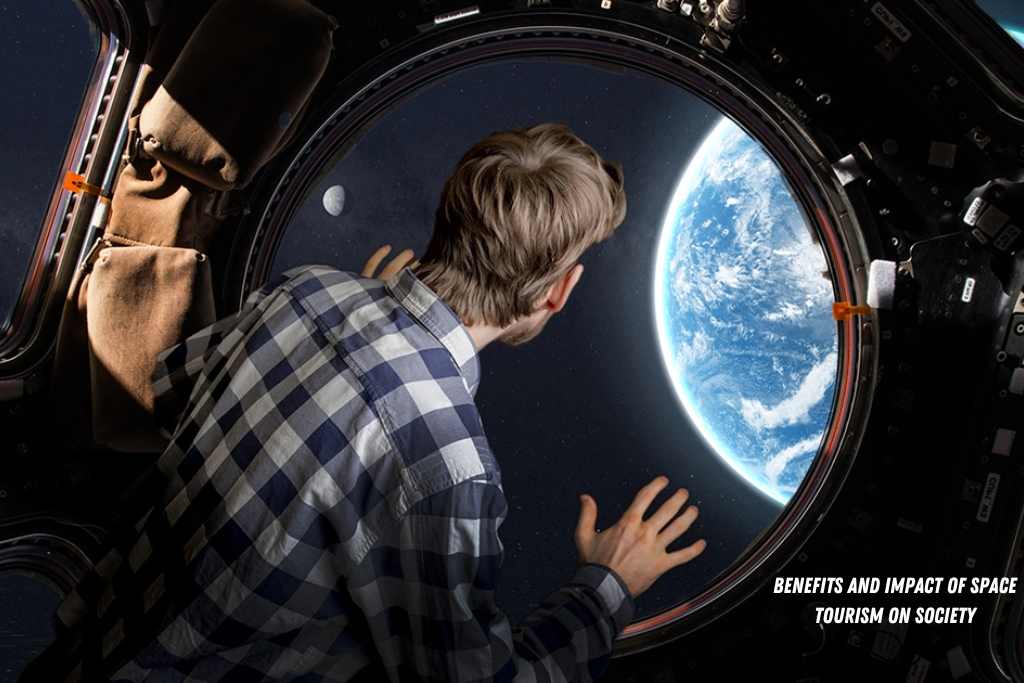
Benefits and Impact of Space Tourism on Society
The concept of space tourism, or space travel for recreational purposes, has been around for several decades, but it is only now becoming a reality thanks to advancements in technology and the growing commercialization of space exploration. While the idea of traveling to outer space may seem like a luxury reserved for the wealthy few, the truth is that space tourism has the potential to have a significant impact on society as a whole. In this section, we will explore some of the benefits and impacts that space tourism can have on society.
Advancement in Technology: One of the biggest benefits of space tourism is its potential to drive technological advancements. The development and improvement of spacecraft, life support systems, and other equipment required for safe human travel into outer space would require new technologies and innovations. This push for innovation can have spill-over effects in other fields such as medicine, energy production, transportation, and communication. As more companies invest in developing cost-effective ways to make outer space accessible for tourists, these breakthroughs could benefit society by creating new industries and improving existing ones.
Boosting local economies: In addition to driving technological advancement globally, space tourism can also significantly boost local economies in areas where launch sites are located. With increased activity surrounding launch sites comes job creation opportunities, which help improve local economies. This was evident when NASA launched its first human crew mission from American soil since 2011 with SpaceX’s Falcon 9 rocket at Kennedy Space Center’s Launch
The future of space tourism and its role in expanding our horizons
The concept of space tourism has come a long way since the first private citizen, Dennis Tito, paid $20 million to travel to the International Space Station in 2001. In the past two decades, we have witnessed significant advancements in technology and a growing interest in space exploration among individuals and private companies.
It is safe to say that the future of space tourism looks extremely promising, with several new players entering the market and ambitious plans being made by established companies. As more people look towards outer space as a potential vacation destination, it is important to understand how this industry can play an essential role in expanding our horizons.
One of the most exciting aspects of space tourism is its potential to make outer space accessible to everyone. As technology progresses and costs decrease, it becomes increasingly feasible for more people to experience what was once only accessible to a select few astronauts. This democratization of access allows not just wealthy individuals but also researchers, educators, artists, and other professionals to venture into outer space.
Space tourism offers more than just a thrilling experience; it also has immense educational value. This field provides opportunities for people from different backgrounds and professions to explore new frontiers and expand their knowledge about space through firsthand experiences. By bringing individuals from different walks of life together on these trips, we can create diverse perspectives on how we perceive space exploration, leading to fresh ideas and collaborations.
Furthermore, space tourism can shed light on critical global issues such as climate change. For instance, participants can witness Earth’s fragility from space, emphasizing “The many environmental causes of climate change“. This heightened awareness can inspire innovative solutions to combat this pressing challenge.