
Writing is a vocation, an art, and a craft all rolled into one. It requires a significant commitment of time and effort, as well as self-discipline and in-depth knowledge of the written word. Here are some important pieces of advice for anyone who feels the irresistible urge to put their thoughts down on paper.
Cultivate the Habit of Writing
Just as athletes must train daily to stay in top form, writers too must practice their craft regularly. Write every day, no matter how uninspired you feel. As the renowned author Neil Gaiman wisely advises, “Write. Put one word after another. Find the right word, put it down.” This habit builds discipline and allows you to refine your style.

Read Extensively
Reading is as crucial to a writer as writing itself. As PD James, the acclaimed crime novelist, counsels, “Read widely and with discrimination. Bad writing is contagious.” An extensive vocabulary and a keen understanding of the nuances of language can only be acquired through broad and discerning reading.

Write with Honesty and Passion
Write what you want to write, not what you think will sell. Your authentic voice will shine through when you write about topics that genuinely engage and excite you. As Jonathan Franzen, the acclaimed author of ‘The Corrections’, suggests, “Fiction that isn’t an author’s personal adventure into the frightening or the unknown isn’t worth writing for anything but money.”

Be Mindful of Your Audience
Remember, your readers are your friends, not your adversaries. They are investing their time in your work, and it’s your responsibility to keep them engaged and interested. The reader should feel invited into your world, not alienated by it.

Be Conscious of Your Language
Choose your words carefully. Avoid clichés and unnecessary adverbs. As Elmore Leonard, the master of crime fiction, warns, “Never use an adverb to modify the verb ‘said’ To use an adverb this way (or almost any way) is a mortal sin.” Be mindful of your grammar and punctuation. They are the scaffolding on which your story is built.

Edit Ruthlessly
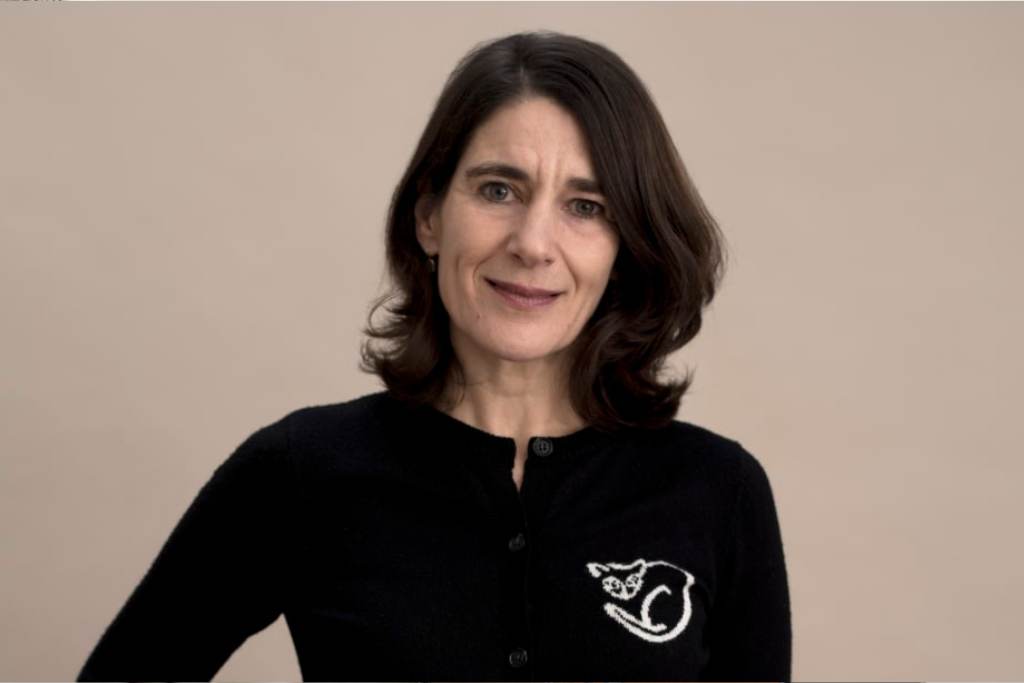
The first draft is just that, a draft. It’s essential to revise, refine, and remove any superfluous elements. As Esther Freud, the author of ‘Hideous Kinky’, advises, “Editing is everything. Cut until you can cut no more. What is left often springs into life.”
Be Patient and Persistent
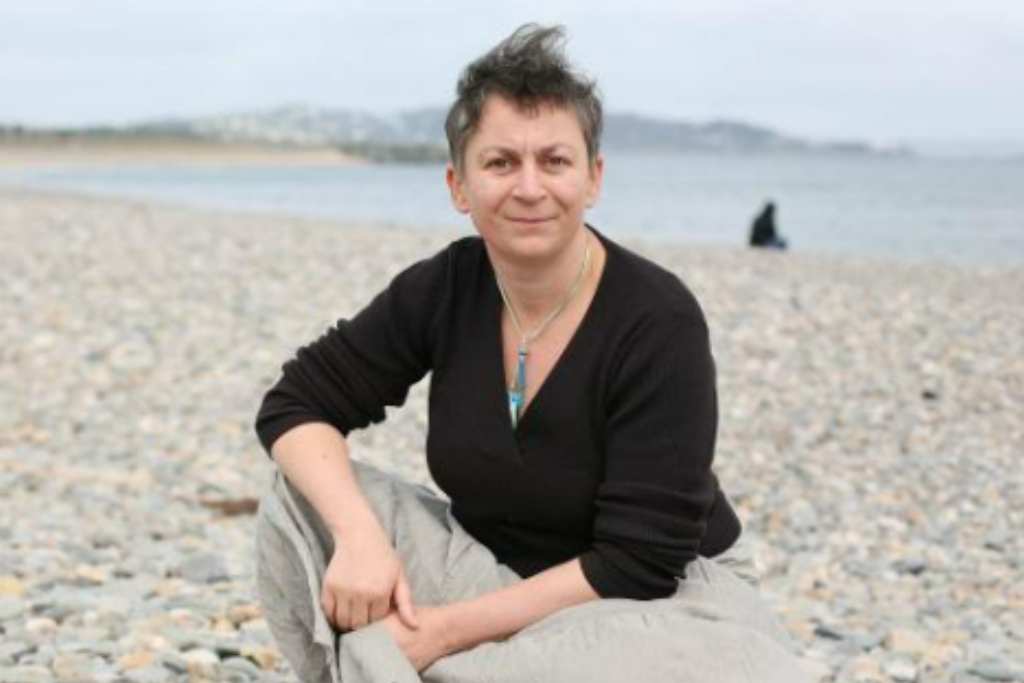
Writing is a marathon, not a sprint. It requires patience, perseverance, and a willingness to endure periods of frustration and doubt. But remember, as Anne Enright, the Booker prize-winning author, reminds us, “Remember, if you sit at your desk for 15 or 20 years, every day, not counting weekends, it changes you. It just does.”
Take Care of Your Physical and Mental Health
Writing is a mentally demanding activity, and it’s important to stay in good physical and mental health. Take regular breaks, exercise, and make sure to get plenty of sleep. As Margaret Atwood, the author of ‘The Handmaid’s Tale’, wisely suggests, “Do back exercises. Pain is distracting.”

Don’t Be Afraid to Break the Rules
Writing rules are important, but they’re not set in stone. Don’t be afraid to break them if it serves your story. As AL Kennedy, the Costa prize-winning author, says, “Remember, even your own rules are there to be broken.”
Enjoy the Process
Finally, remember to enjoy the process. Writing is hard work, but it should also be a source of joy and fulfilment. As Anne Enright puts it, “Remember, you love writing. It wouldn’t be worth it if you didn’t. If the love fades, do what you need to and get it back.”

Writing is a journey, not a destination. It’s a craft that requires constant learning and growth. But with patience, perseverance, and a love for the written word, anyone can master the art of writing. Happy writing!
Aspiring writers must comprehend “The Many Environmental Causes of Climate Change.” Writing and creativity require environmental awareness. This article highlights climate change’s causes, stressing environmental awareness. Writers may improve the planet by living and writing sustainably. Aspiring authors may raise awareness, lobby for change, and inspire others to fight climate change.